
The safety limit on owner repairs
A microwave contains a high-voltage capacitor that can store a dangerous charge even after the appliance is unplugged. That is why trained technicians discharge it before working, and why panel removal is not a homeowner job. Everything below that does not involve removing the cabinet — cleaning, seating a turntable, checking settings — is fine to try.
Which type do you have?
| Type | Where repairs are common | Worth repairing? |
|---|---|---|
| Over-the-range | Vent fan motor, cooktop light, door latch, control panel | Often, since it is a larger installed unit with mounting hardware |
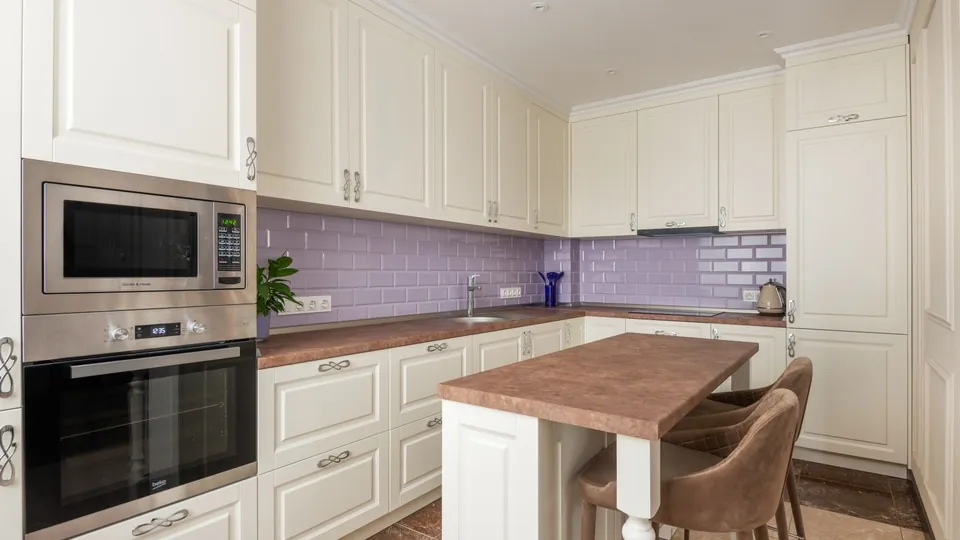
| Built-in or trim-kit | Door and latch assemblies, controls, magnetron | Frequently, because replacement can need cabinetry changes |
| Countertop | Door switches, turntable motor, fuses | Sometimes — compare the repair quote with a new one |
Common symptoms and probable causes
- Runs and hums, but food stays cold. A failed high-voltage component such as a diode, capacitor or the magnetron itself. Technician work.
- Sparking or arcing. Often caused by foil, metal-trim dishes, a damaged interior coating or a food-splattered waveguide cover. Stop using it until it is inspected.
- Display lit, but it will not start. Door latch or interlock switches are the usual cause.
- Completely dead. Check the outlet or breaker, then the internal fuse and control board.
- Turntable does not rotate. The roller ring or coupler may be out of place — a free fix — or the motor may have failed.
- Over-the-range fan or light not working. Switch, motor or bulb; the vent can also be clogged with grease.
The safe way to test for heating
Never run a microwave empty. To test, put a microwave-safe cup of water in the center, run it for one minute, and feel the cup carefully. If the water is not noticeably warm, the appliance is not heating. This test works for countertop and built-in models alike and helps you describe the problem accurately.
Unplug the unit if you can reach the plug safely. Over-the-range units usually plug into an outlet in the cabinet above, which is hard to reach safely, so use the breaker.
Is it worth it?
Rule of thumb: a small countertop microwave costs little to replace, so a repair rarely makes sense once the quote is a large fraction of a new unit. Over-the-range and built-in models cost more to replace and sometimes need a specific size to fit existing cabinetry, so repair is often more attractive. Whichever type you own, ask the technician for the parts-and-labor split in writing, and see our repair-or-replace guide to evaluate it.
Describe the model and symptoms and we will relay them to an independent technician. Our Austin repair referral service starts on the home page, or you can send a request here. If the microwave shares a spot with the cooktop below it, the range hood repair page may also help.
Prefer to talk it through? Back to the main page for a full list of kitchen appliances we help with.
Questions people ask
Why is my microwave sparking?
Common causes are metal in the cavity (including gold-rimmed dishes or foil), food splatter on the waveguide cover, or a burned spot on the interior coating. Do not use it until the cause is found.
Can I fix a microwave that is not heating by myself?
No. The parts involved include a high-voltage capacitor that can hold a dangerous charge when unplugged. A technician should handle it.
How long do microwaves usually last?
Many last around ten years with normal use, though usage patterns and models vary. Over-the-range units add a fan and light that can wear separately.
Does an over-the-range microwave need professional installation?
Installation involves mounting to studs, electrical connection and venting. Following the installation manual closely, or hiring a qualified installer, helps avoid problems.
Last updated October 13, 2026. This page offers general information to help you describe and understand a problem; it is not a diagnosis. Always follow your appliance manual and local safety rules.