
Three cooktop types, three sets of problems
Gas cooktops
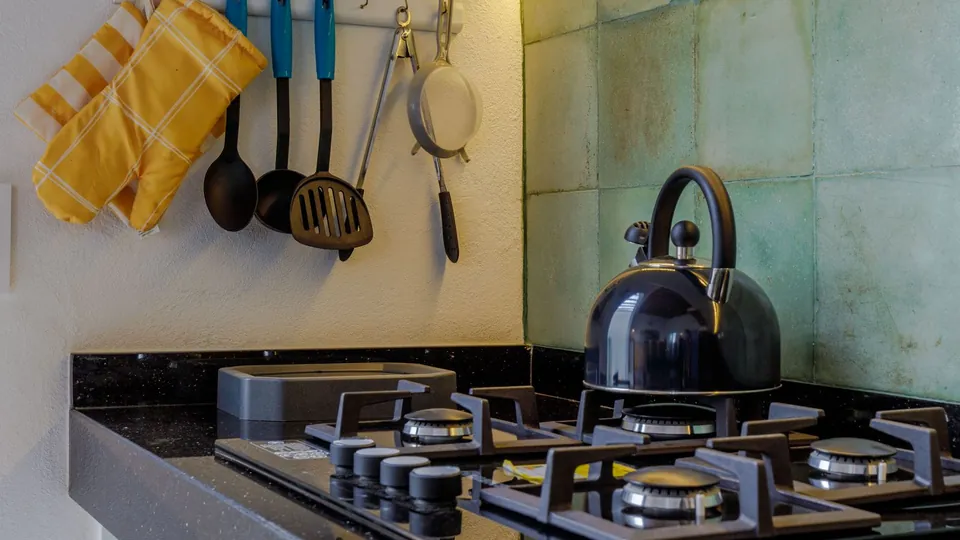
Gas cooktops rely on a spark igniter at each burner and a module that sends the spark. When a burner clicks but does not light, the cap may be misaligned, the burner ports may be clogged, or the igniter may be dirty or wet. When a burner will not click at all, the switch or spark module is more likely. A gas cooktop that lights with a long delay or a pop deserves a prompt check.
Electric radiant (smooth glass-ceramic)
Under the glass sit heating elements controlled by switches and protected by a high-limit thermostat. Typical faults are an element that glows weakly or not at all, a burner that will not turn off, or a sensor that cycles heat inconsistently. The cooktop glass itself is a repair issue only when it cracks; a crack means stop using the unit, because liquids can reach live parts.
Induction
Induction heats the pan, not the glass, so it needs cookware a magnet will stick to. If one pan works and another does not, that is a cookware issue rather than a failure. Real faults include error codes, a buzzing or clicking fan, power board failures and intermittent cutouts, often tied to heat inside the cabinet. A quick test: hold a refrigerator magnet to the bottom of the pan. If it does not stick firmly, the pan will not heat well on induction.
Cooktop symptoms, translated
- One burner dead, others fine. The part is specific to that burner: igniter, switch or element.
- Whole cooktop dead. Check the breaker or gas shutoff, then a main control or power module.
- Controls beeping or showing an F-code. Note the code as displayed; some are cleared by turning off the breaker for a minute, while others identify a failed sensor or board.
- Burner stays on after you turn it off. Turn off power at the breaker and call. A stuck switch or control relay is a safety concern.
- Scratches, stains and white haze on glass. Cosmetic cleaning issues, usually solved with a cooktop cleaner and a non-scratch pad; they do not need repair.
Installation details that affect repairs
Built-in cooktops are installed into a countertop cutout and often share the cabinet below with drawers or an oven. That is worth mentioning because a technician may need to remove items under the counter to access wiring or boards, and a tight install can limit heat dissipation. Cabinet clearance specified in the installation manual matters for induction and radiant units in particular.
Ventilation is part of the system as well. A gas cooktop under a poorly ducted hood can leave moisture and combustion byproducts in the kitchen; see our page on range hood repair.
Repair, replace and the cutout
Replacing a cooktop is not always as simple as swapping the box: widths and cutout sizes vary, and moving between gas and electric requires new supply lines. That makes a repair appealing when the cooktop is otherwise sound. A cracked glass top is the main exception, since the glass alone can cost nearly as much as a new unit. For a fuller comparison, read the repair-or-replace guide.
Wherever you are in Austin, the quickest route is to independent Austin technicians through our home page or send the form below. If your cooktop is part of a freestanding unit, range and stove repair is the better fit. For a broader look at appliance repair referrals, visit the home page.
Questions people ask
Why does my induction cooktop make a buzzing sound?
Light buzzing can come from cookware vibrating at certain power levels, particularly with thin or multi-layer pans. A cooling-fan noise is also normal. Loud, new or changing noise accompanied by cutouts should be checked.
Can a cracked glass cooktop be repaired?
Cracked glass is generally replaced rather than repaired, and you should stop using the cooktop until it is. Moisture can reach the live components under the glass.
Why will one gas burner not stay lit?
A weak flame that goes out can mean a dirty burner, a misaligned cap or a failing thermocouple or sensor on models that use one. A technician can tell which.
Do cooktops need to be level?
Yes. On gas units in particular, an unlevel cooktop can cause uneven flames; on radiant and induction units it affects pan contact and heat transfer.
Last updated October 13, 2026. This page offers general information to help you describe and understand a problem; it is not a diagnosis. Always follow your appliance manual and local safety rules.